

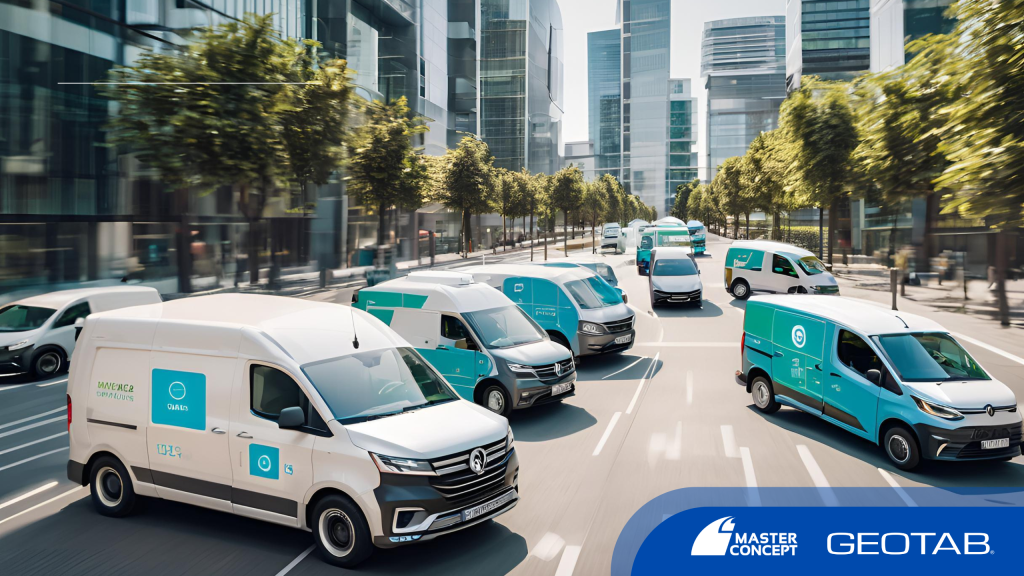
Why Hybrid Fleets Are Now a Must-Watch Trend in Logistics
In today’s logistics industry, managing a fleet of just gas-powered vehicles is no longer the norm. With the rise of electric vehicles (EVs), more companies are shifting toward hybrid fleets—fleets that combine both traditional internal combustion engine (ICE) vehicles and EVs. The shift is fueled by ESG goals, stricter emissions regulations, and EV incentives worldwide.
But this transition isn’t as simple as swapping out a few vehicles. Managing a hybrid fleet introduces a completely new set of logistics and operational complexities. You’re not just dealing with two types of vehicles—you’re managing two energy infrastructures, two maintenance cycles, and often, two different sets of driver behaviors.
Without the right hybrid fleet solutions and strategies in place, what’s supposed to be a move toward sustainability can actually create inefficiencies. So, how can logistics and last-mile delivery companies turn this complexity into a competitive advantage?
The Real Challenges of Hybrid Fleet Management Go Beyond Just Technology
At first glance, a hybrid fleet sounds like the best of both worlds: EVs offer sustainability, while fuel-powered vehicles provide flexibility. But in practice, managing this dual setup often leads to scheduling chaos and data fragmentation.
Maintenance becomes more complicated
ICE vehicles need regular oil changes and engine checkups, while EVs require battery health monitoring and charger maintenance. With different maintenance cycles for each, planning becomes a headache and budget forecasting even harder.
Refueling and charging logistics are inconsistent
While gas vehicles can refuel in minutes, EVs require planned charging schedules, available charging stations, and even seasonal considerations like increased winter energy usage. This mismatch affects dispatching and route planning, increasing downtime.
The deeper issue? Data silos
Many companies still track ICE and EV data separately. Without a unified view, it’s nearly impossible to monitor fleet-wide performance, carbon emissions, or operational costs in real time. You miss out on the full ROI that EV integration promises.
Turning Hybrid Fleet Chaos Into Operational Clarity: Practical Strategies That Work
Instead of letting complexity become a roadblock, companies can take a strategic approach to hybrid fleet optimization. Here are proven, practical strategies drawn from real-world logistics operations:
1. Centralized Fleet Management Platforms
Integrate all fleet data—maintenance logs, fuel consumption, EV charging status, and route histories—into one platform. Unified dashboards eliminate silos and give managers a real-time, holistic view of the fleet’s performance.
2. Dynamic Dispatching & Charging Coordination
Route planning should consider not just destinations and traffic, but also charging needs and fuel station locations. Smart scheduling helps balance EV charging times with ICE refueling stops, improving route fluidity and reducing delays.
3. Predictive Maintenance
Use trend analysis and usage data to anticipate when a vehicle will need servicing—before it breaks down. This minimizes unplanned downtime and helps you control long-term maintenance costs more effectively.
4. Multi-Dimensional Performance Monitoring
Track everything from fuel efficiency and battery health to carbon emissions and delivery timeframes. With clear KPIs and visual reports, decision-makers can adjust operations in real-time and stay aligned with both business goals and sustainability targets.
These strategies are key to solving the puzzle of managing electric and gas-powered vehicles under one roof. When real-time data and automation back your fleet, you gain flexibility and agility—two essential ingredients for modern logistics success.
How Geotab Powers Smart Hybrid Fleet Operations
While strategies set the foundation, smart technology takes performance to the next level. That’s where Geotab, a leading telematics platform, comes in.
All-in-One Data Integration & Real-Time Monitoring
Geotab consolidates data from EVs and ICE vehicles alike. From vehicle location and fuel levels to charging status and driver behavior, everything is visible through an intuitive dashboard. You get real-time alerts, allowing for faster decision-making.

Cleverer Routes with Charging Intelligence
Geotab’s AI-powered routing engine considers traffic, delivery windows, and EV charging availability. It even optimizes schedules based on nearby stations and battery levels—cutting idle time and boosting delivery speed.

Predictive Maintenance & Cost Control
By analyzing usage patterns, Geotab predicts optimal maintenance windows and sends automated alerts. This reduces emergency repairs and gives you clearer control over the total cost of ownership.

Visual Reports that Drive Decisions
Geotab turns complex data—like fuel use, carbon output, and delivery efficiency—into easy-to-read visual dashboards. This makes it easier for managers to spot trends and tweak strategies, helping logistics teams make smart, fast, and sustainable decisions.

With digital tools like Geotab, hybrid fleet management becomes less about firefighting and more about foresight. It’s not just about technology—it’s about evolving into a data-driven, sustainability-conscious logistics operation.
Summary: Balance Is the New Efficiency
Hybrid fleets are here to stay—and managing them right requires more than just vehicle swaps. From fragmented data and scheduling chaos to complex maintenance needs, the challenges are real. But with a smart blend of centralized data, dynamic planning, and predictive insights, companies can turn these challenges into opportunities.
In the age of digital transformation, hybrid fleet efficiency depends on transparency, adaptability, and the right technology.
At G.E.T team, we’ve helped countless logistics providers improve last-mile delivery with smart fleet strategies and real-time insights. If you want to explore how Geotab can help you build a smarter, more sustainable fleet, our team is here to help. Let’s drive toward a more efficient and sustainable logistics future—together.



![[Free Webinar] Road to COP17: Unifying Enterprise Data with Planetary-Scale Geospatial AI](https://masterconcept.ai/wp-content/uploads/2026/09/Webinar-261007-Unifying-Enterprise-Data-with-Planetary-Scale-Geospatial-AI-_1280x720px-scaled.png)