


In today’s interconnected digital landscape, traditional security perimeters are rapidly dissolving. Enterprises operating in the global market face an increasingly sophisticated threat landscape. Cyberattacks are no longer a question of “if” but “when.” To effectively combat these evolving threats, a paradigm shift in cybersecurity strategy is essential. This is where Zero Trust comes in.
The Zero Trust Paradigm: A New Approach to Security
Core Principles of Zero Trust
No Implicit Trust: In a Zero Trust model, no entity—whether inside or outside the network—is trusted by default. Every user, device, and application must be authenticated and authorized before accessing resources.
Least Privilege Access: Zero Trust enforces the principle of least privilege, ensuring users and devices are granted only the minimum level of access necessary to perform their functions. This minimizes the risk of unauthorized access and data breaches.
Assume Breach Mindset: Zero Trust operates on the assumption that threats can exist both inside and outside the network. By adopting this mindset, organizations can proactively monitor, detect, and respond to potential security incidents before they escalate.
Core Components of Zero Trust Security
The Zero Trust model enforces the principle of least privilege, ensuring that users and devices are granted only the minimum level of access necessary to perform their functions. This minimizes the risk of unauthorized access and data breaches, a concern for many Hong Kong businesses managing sensitive customer data and intellectual property.

- Zero Trust Devices: Ensuring all devices accessing the network are secure and compliant.
- Zero Trust Data: Implementing strict data classification, encryption, and access controls.
- Zero Trust Networks: Employing micro-segmentation to isolate different parts of the network.
- Zero Trust Applications & Workloads: Securing both on-premises and cloud-based applications.
- Zero Trust People: Managing user identities and access rights with advanced authentication measures.
The Shortcomings of Traditional Security Models
Perimeter Security Failures
Traditional security models rely heavily on perimeter defenses like firewalls, IDS/IPS, and VPNs. However, this approach fails to address internal threats and vulnerabilities, leaving critical assets exposed. For companies with complex IT environments spanning on-premises and cloud-based systems, this can lead to significant security gaps.
Expanded Attack Surface
The rise of remote work, cloud services, and mobile devices has dramatically expanded the attack surface. This makes it challenging for IT security teams to effectively secure all endpoints and data flows. Dynamic business environments, with high reliance on mobile and flexible working arrangements, exacerbate this challenge.
Ineffective User Authentication and Authorization
Managing multiple login credentials across disparate systems often leads to weak passwords, poor access controls, and increased risk of unauthorized access. This complexity results in inefficient security management and higher vulnerability—a common issue for enterprises utilizing a wide array of digital tools and platforms.
The Benefits of Implementing Zero Trust
- Secure Access to Applications and Data: Ensures only authenticated and authorized users can access specific resources, regardless of location or device.
- Reduced Risk of Data Breaches: Minimizes the potential for data breaches through granular access controls and continuous monitoring.
- Simplified Security Management: Streamlines security operations by centralizing access controls and providing greater visibility into user activity.
- Alignment with International Security Standards: Zero Trust principles align closely with recognized cybersecurity frameworks, such as the Center for Internet Security (CIS) Controls. This alignment provides a benchmark for assessing and enhancing your security posture.
Zero Trust and CIS Controls: A Benchmark for Security Excellence
The Center for Internet Security (CIS) Controls offer a set of best practices for cyber defense that complement the Zero Trust model. By implementing Zero Trust, you’re also addressing many critical CIS Controls. Here’s how they align:
- Inventory and Control of Enterprise Assets (CIS Control 1): Zero Trust requires a comprehensive inventory of all devices accessing your network, aligning with this foundational control.
- Access Control Management (CIS Control 6): Zero Trust’s principle of least privilege access directly supports this control, ensuring users have only the access they need.
- Data Protection (CIS Control 3): Zero Trust emphasizes robust data encryption and strict access controls, fulfilling this critical CIS requirement.
- Continuous Vulnerability Management (CIS Control 7): The “assume breach” mindset of Zero Trust promotes ongoing vulnerability assessment and mitigation.
- Audit Log Management (CIS Control 8): Zero Trust’s continuous monitoring aligns with the need for comprehensive logging and analysis.
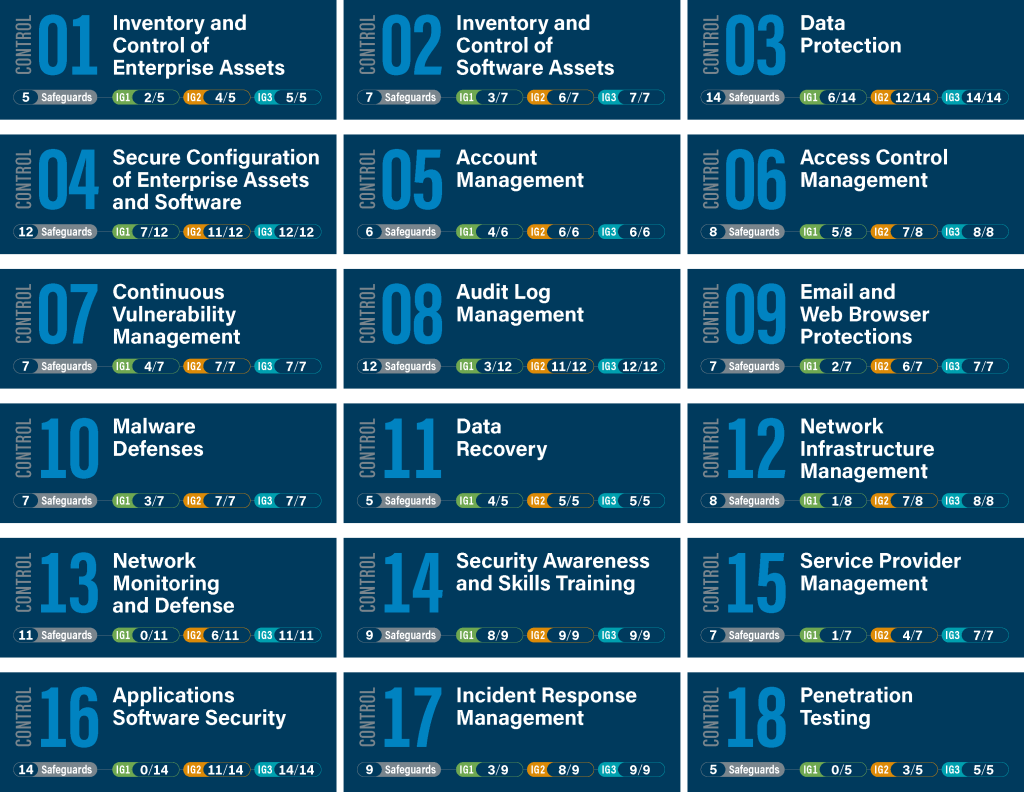
By implementing Zero Trust, you’re not only enhancing your security posture but also making significant progress towards meeting international cybersecurity standards. This alignment can be particularly beneficial for Hong Kong enterprises operating in a global context, helping to demonstrate compliance and commitment to best practices.
Implementing Zero Trust in Your Organization
Steps to Zero Trust Adoption
- Assessment and Planning: Conduct a thorough evaluation of your current security infrastructure and identify areas for improvement.
- Design and Integration: Create a customized Zero Trust architecture that integrates seamlessly with your existing systems.
- Implementation and Testing: Deploy Zero Trust solutions with minimal disruption to operations, followed by rigorous testing.
- Monitoring and Support: Provide continuous monitoring and support to ensure ongoing effectiveness of your Zero Trust security posture.
Embracing the Cloud: City University of Hong Kong Transforms Identity and Access Management with Okta
As a leading institution of higher education, the City University of Hong Kong (CityU) recognized the need to modernize its aging Identity and Access Management (IAM) infrastructure. With a strategic vision to embrace cloud-based innovation, CityU embarked on a transformative project to implement Okta’s Cloud IAM solution.
The primary objectives were establishing a centralized authentication system, enhancing user login experience, and improving overall IT security standards. Through a phased approach, CityU achieved remarkable results.
In Phase 1, CityU successfully deployed the “CityU Authentication System” powered by Okta. This enabled a unified login experience for all users, allowing them to access CityU applications, Office365, and Google Workspace using a single set of credentials. The implementation of Okta’s Multi-Factor Authentication (MFA) significantly enhanced the overall security posture, replacing the existing Cisco Duo system.
In Phase 2, CityU focused on integrating Okta with Identity Governance to ensure strict control and monitoring of all user accounts and provisioning. This enabled the university to centrally manage user permissions and access, ensuring the right people had access to the appropriate resources. The integration with ServiceNow further streamlined the user management process with automated onboarding and offboarding across the university’s systems.
The success of the CityU IAM transformation project has been widely recognized. By embracing Okta’s cloud-based IAM platform, the university has future-proofed its identity and access management strategy. Okta’s extensibility and integration capabilities have enabled CityU to easily connect with external SaaS and internal self-developed applications and external identity providers, including the Hong Kong Government’s iAM Smart Authentication system.
Your Trusted Partner for Zero Trust Implementation
In today’s landscape of evolving cyber threats, adopting a Zero Trust approach is not just beneficial—it’s essential for modern enterprise security. When it comes to implementing this critical strategy, Master Concept stands out as the leading IT consultant and implementation partner in the APAC region.
Take the Next Step Towards Uncompromising Security
Ready to elevate your organization’s security posture with a Zero Trust framework that stands up to global scrutiny? The path to robust, future-proof security starts with a conversation.
Schedule Your Zero Trust Consultation Today.
Contact Master Concept now to:
- Assess your current security stance against Zero Trust principles and international standards
- Identify priority areas for immediate improvement
- Develop a tailored roadmap for your Zero Trust implementation
- Learn how our expertise can streamline your journey to enhanced security
Don’t leave your enterprise’s security to chance. Partner with Master Concept—your trusted IT consultant for Zero Trust excellence. Let’s build a security framework that not only protects your assets and data but also propels your business forward in the digital age.
Contact us now to begin your Zero Trust journey. Secure your future with Master Concept—the APAC leader in Zero Trust solutions.


![[Free Webinar] Road to COP17: Unifying Enterprise Data with Planetary-Scale Geospatial AI](https://masterconcept.ai/wp-content/uploads/2026/09/Webinar-261007-Unifying-Enterprise-Data-with-Planetary-Scale-Geospatial-AI-_1280x720px-scaled.png)