
The Global market research on Smart Fleet Management in 2024 shows an unprecedented growth opportunity. Forecasts predict that by 2028, the market could reach USD 641 billion with a compound annual growth rate (CAGR) of about 8.9%. This growth is driven by rapid urbanization, the rise of smart cities, and the increasing need for real-time fleet tracking, robust cybersecurity, and remote diagnostics. In the post-pandemic era, supply chain resilience and logistics efficiency are more critical than ever. Traditional fleet management faces multiple challenges—from rising fuel costs and strict environmental regulations to labor shortages.
Companies that adopt advanced telematics solutions and IoT fleet solutions typically see a 15–20% reduction in fuel consumption, a 30% improvement in vehicle utilization, and a 25% decrease in maintenance costs. These developments mark a comprehensive digital transformation in fleet operations, paving the way for revolutionary digital fleet transformation through AI in fleet management and telematics.
1. The Pain Points and Challenges of Traditional Fleet Management
What Is Fleet Management?
Fleet management involves the comprehensive oversight and control of a company’s vehicles—encompassing dispatching, route planning, maintenance, fuel management, and driver behavior monitoring. An effective smart fleet management system can reduce operational costs, enhance service quality, extend vehicle lifespans, and ensure the safety of both drivers and cargo.
Major Challenges in Traditional Last Mile Fleet Management
Traditional fleet management struggles with several issues that hinder efficiency and innovation:
- Lack of Real-Time Data: Relying on paper records or basic spreadsheets means that managers lack real-time insight into vehicle location, status, and driver behavior. This deficiency in fleet tracking prevents a full understanding of fleet operations.
- Inefficient Manual Dispatch: Traditional dispatching relies heavily on human judgment, which slows down responses to sudden orders, traffic changes, or vehicle malfunctions. This limitation undermines optimal route planning and resource allocation—critical aspects for AI in fleet management.
- Limited Predictive Maintenance: Most companies stick to fixed maintenance schedules instead of utilizing real-time vehicle data to tailor maintenance. This approach not only increases costs but may also overlook emerging issues that could impact safety.
- Fuel Management Challenges: Inaccurate tracking of fuel usage prevents companies from devising effective fuel-saving strategies, impacting overall Logistics Efficiency.
- Inadequate Driver Behavior Monitoring: Without effective monitoring of driving behaviors—such as hard braking, rapid acceleration, or erratic steering—companies face higher accident risks and increased fuel consumption.
- Restricted Data Analysis: Even when data is collected, insufficient analytical capabilities limit the ability to extract actionable insights, hindering the full potential of fleet analytics.
These challenges form the bottlenecks of traditional fleet management, obstructing companies from achieving higher operational efficiency and service excellence.
2. Three Key Strategies for Smart Fleet Management
To overcome the challenges of traditional fleet management, the industry is shifting toward smart fleet management powered by fleet telematics. This shift isn’t just about upgrading technology—it’s a complete overhaul in management philosophy and operational strategy. For a successful digital fleet transformation, companies must focus on these three key strategies:
2.1 Integrated Hardware and Software Data Systems
The foundation of smart fleet management lies in breaking down data silos and unifying hardware and software data.
- Advanced Telematics Deployment: Start by installing smart onboard systems—such as GPS trackers, OBD diagnostic devices, and dashcams—to capture diverse data on vehicle location, performance, and driver behavior. These devices form the basis of modern telematics solutions.
- Robust Data Transmission Networks: With the widespread adoption of 5G technology, data transmission is now faster and more reliable—even in remote areas. This connectivity is the nervous system of fleet operations, ensuring continuous data flow for superior fleet tracking.
- Cloud-Based Analytics Platforms: Leveraging cloud platforms allows companies to process terabytes of data daily. Advanced big data analytics and machine learning transform raw data into actionable insights, providing fleet managers with real-time dashboards to monitor performance. This integration is essential for achieving digital fleet transformation.
2.2 Predictive Maintenance and Fleet Health Optimization
Leveraging integrated data, modern fleet management systems can employ predictive maintenance to reduce downtime and costs.
- Real-Time Vehicle Maintenance Monitoring: Track critical vehicle metrics such as engine performance, tire pressure, and fuel levels in real-time. This continuous monitoring helps in the early detection of potential issues, a crucial aspect of predictive maintenance.
- AI-Driven Fault Prediction: Using sophisticated AI algorithms, the system analyzes both historical and real-time data to predict potential failures. This proactive approach minimizes unexpected breakdowns, ensuring better fleet analytics.
- Customized Maintenance Scheduling: Instead of rigid, fixed maintenance intervals, tailor maintenance plans based on actual vehicle performance and data insights. This approach not only enhances safety but also optimizes maintenance expenditures.
- Automated Repair Alerts: The system generates automatic alerts and work orders, ensuring that maintenance is scheduled during optimal times to reduce downtime and boost overall fleet management software efficiency.
2.3 Intelligent Dispatch and Route Optimization
At the heart of smart fleet management is intelligent dispatching, which significantly enhances operational efficiency.
- Collaborative Fleet Coordination: Coordination between multiple fleets ensures optimal use of available transport capacity, enhancing overall efficiency across the board.
- Dynamic Route Optimization: Real-time traffic, weather, and customer demand data enable the system to compute the best possible routes, reducing travel time and distance. This optimization is key for superior fleet tracking and logistics efficiency.
- Adaptive Task Allocation: By continuously analyzing vehicle location, load capacity, and driver availability, the system dynamically allocates tasks, maximizing resource utilization.
- Rapid Emergency Response: In scenarios such as vehicle breakdowns or sudden traffic jams, the system quickly adjusts routes and schedules to ensure uninterrupted service.
3. The Role of IoT Telematics in Smart Fleet Management
What Is Telematics?
Telematics refers to the application of IoT technology in the transportation sector, where diverse sensor data is used to monitor and manage vehicle operations. In simple terms, telematics transforms a vehicle into an intelligent device that communicates real-time data about its performance and environment. This technology is the backbone of modern fleet telematics and plays a pivotal role in digital fleet transformation.
With advancements in 5G, edge computing, and blockchain, telematics is evolving to become even more sophisticated, secure, and versatile. The rise of MaaS (Mobility as a Service) further expands the potential applications of telematics, promoting a service-driven model in fleet management.
4. AI-Enhanced Telematics: The Future of Smart Fleet Management
4.1 Real-Time Vehicle Tracking for Enhanced Transparency
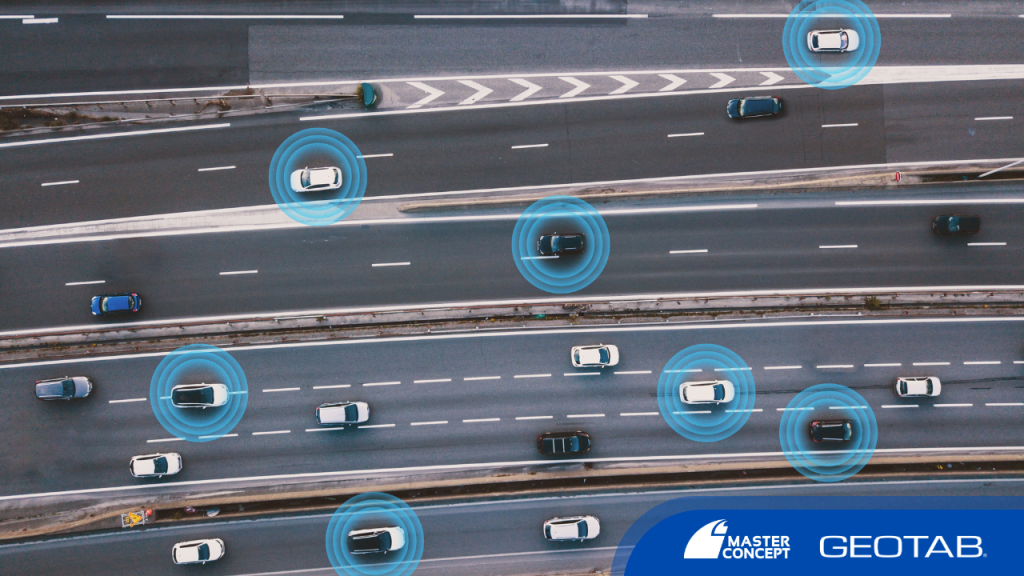
Traditional GPS tracking no longer meets modern fleet demands. Today’s real-time vehicle tracking systems, powered by AI, not only display current locations but also perform intelligent trip analysis and prediction. Machine learning algorithms optimize estimated time of arrival (ETA) by considering historical traffic data, live road conditions, weather, and other factors.
For instance, a logistics company using this system could quickly identify a truck delayed by congestion and reroute it to ensure on-time delivery—boosting overall transportation efficiency and operational transparency.
4.2 Intelligent Driver Behavior Analysis for Enhanced Safety
Driver behavior significantly impacts fleet safety and efficiency. AI-driven behavior analysis systems delve into driving habits to identify risky actions like hard braking, sudden turns, or rapid acceleration. By differentiating between normal evasive actions and dangerous driving, the system offers personalized scores and improvement suggestions for each driver.
This allows managers to implement targeted training and incentive programs. Such intelligent analysis not only improves road safety and reduces accidents but also minimizes vehicle wear and fuel consumption—key aspects of AI in fleet management.
4.3 Automatic Fuel Optimization to Cut Delivery Costs
Fuel costs are a major expenditure in fleet operations, making fuel management especially critical during volatile oil price periods. AI-powered fuel optimization systems analyze factors like speed, load, road conditions, weather, and driving behavior to determine the best driving strategies. By extracting key patterns from extensive data, companies can adopt tactics that significantly reduce fuel consumption.
For example, a delivery company might discover that maintaining a specific speed on certain routes cuts fuel usage dramatically, leading to substantial monthly savings. With the increasing adoption of electric and hybrid vehicles, modern energy management systems can also schedule charging times and locations to further enhance economic efficiency in fleet telematics.
5. Application Case: How Geotab Leverages AI and Telematic for Smart Fleet Management
Geotab, the global leader in connected vehicle and asset solutions, leverages advanced data analytics and AI to enhance fleet performance, safety and sustainability while optimising costs. Backed by a team of industry-leading data scientists, engineers and AI experts, we serve over 50,000 customers across 160 countries, processing billions of data points hourly from more than 4 million vehicles. Data security and privacy are at the forefront of everything we do — trusted by Fortune 500 organisations and some of the largest public sector fleets in the world, we meet top cybersecurity standards. Geotab’s open platform and diverse Geotab Marketplace offers hundreds of fleet-ready third-party solutions. Learn more at www.geotab.com/apac, and follow us on LinkedIn or visit our blog.
7. Conclusion: AI and IoT Telematics Will Reshape the Future of Smart Fleet Management
In summary, as AI and IoT technologies rapidly advance and converge, smart fleet management is entering a transformative phase. Looking ahead, we can expect several key trends in fleet management:
- Integration of Autonomous Driving: With the maturation of autonomous driving technology, some transport tasks may be performed by unmanned vehicles, shifting fleet management toward a collaborative human-machine model.
- Widespread Adoption of Predictive Analytics: AI will refine predictive analytics, allowing companies to proactively identify and address potential issues, transforming reactive responses into proactive management.
- Fleet Management as a Service (FMaaS): More fleet management solutions will be offered as a service, enabling even small businesses to benefit from advanced technologies without significant upfront investments.
For more case studies on smart fleet management or detailed insights into Geotab’s connected vehicle systems, feel free to contact us – GET team for consultation on fleet management software, IoT fleet solutions, and AI in fleet management.