
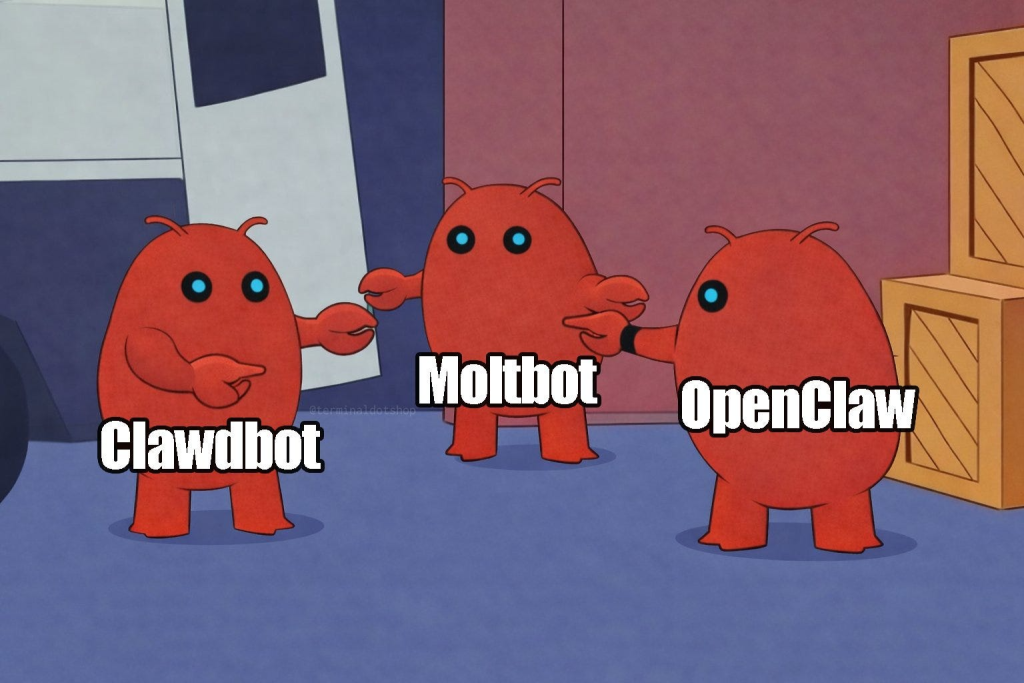
The open-source community was recently set ablaze by “Moltbot” (formerly Clawdbot, Now OpenClaw), a project that earned tens of thousands of GitHub stars in just days. Unlike simple chatbots, Moltbot is a true Agent: it can browse the web, manage files, and automate tasks across platforms like Slack and Discord.
However, while powerful, Moltbot is built for hobbyists. For businesses, its lack of security and potential for “malicious instruction injection” make it risky. Enterprises need the capabilities of Moltbot but with “suit and tie” levels of security and control.
This is where Google Cloud Vertex AI and Master Concept come in, offering a way to build “Digital Employees” that are both intelligent and safe.
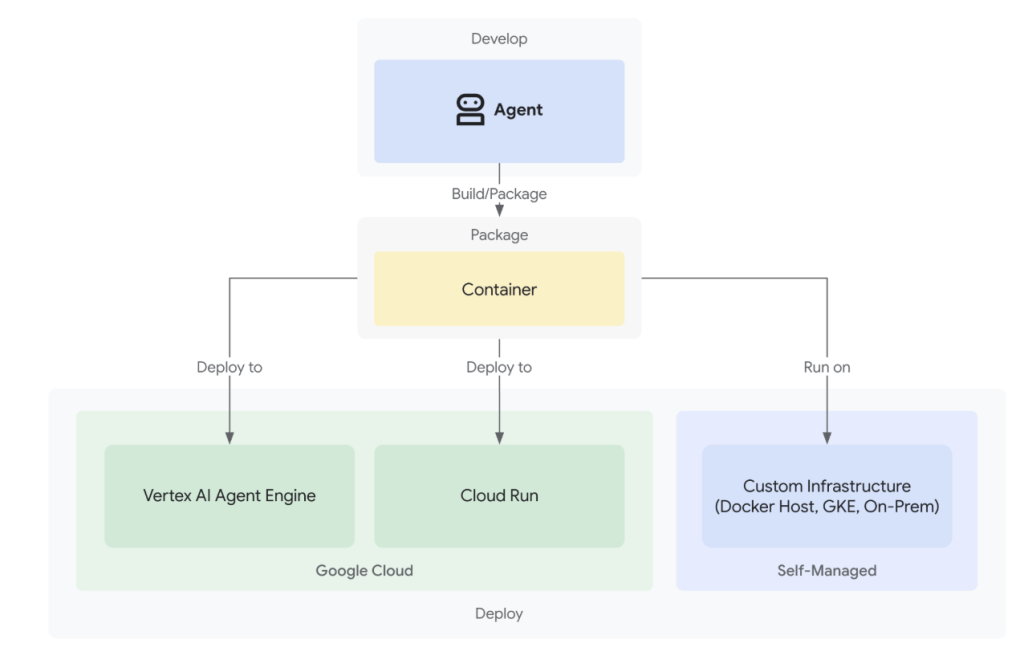
1. The Core Engine: Vertex AI Agent Builder
Building an AI Agent no longer requires starting from scratch. Vertex AI Agent Builder provides a full-stack platform for all skill levels:
- Flexible Development: Use Agent Designer for a low-code visual experience, or the Agent Development Kit (ADK) to write complex agents in under 100 lines of Python code.
- Agent Engine: A serverless runtime that handles the “heavy lifting”—scaling, session management, and “long-term memory”—so you don’t have to manage servers.
2. The Brain: Powered by Gemini 3
A great agent needs a powerful brain. Vertex AI provides access to Gemini 3, Google’s most advanced model:
- Massive Context: With a 1M+ token window, it can “read” entire technical manuals or long contracts at once.
- Adaptive Reasoning: It can autonomously plan multi-step tasks, such as complex coding or data queries.
3. Eliminating Hallucinations: Enterprise RAG
To ensure your agent provides accurate, fact-based answers, Google uses Retrieval-Augmented Generation (RAG):
- Vertex AI RAG Engine: This is a fully managed RAG service launched by Google. It automatically handles document parsing, chunking, and embedding, while integrating with Vertex AI Vector Search to achieve millisecond-level retrieval across billions of vectors.
- Grounding: You can “ground” answers in Google Search for real-time info or your own internal data (like BigQuery or Cloud SQL) to ensure every response is verifiable.

4. Hands-on: Three Paths from Local Code to the Cloud
This is the part you care about most: How do you take your local Agent prototype and move it to a production environment? Google Cloud’s latest “From Code to Cloud” series offers three distinct deployment paths.
Master Concept recommends choosing the path that best fits your team’s technical stack and business needs:
1. The “Easy Mode” (Fully Managed): Vertex AI Agent Engine
- Best for: Teams who want the fastest time-to-market and don’t want to deal with servers or infrastructure.
- The Advantage: A dedicated environment optimized for Python-based agents. You focus on the logic; Google handles the scaling, memory, and tool integration.
- Goal: Quickly deploy a multi-agent system with built-in “memory” and reasoning right out of the box.
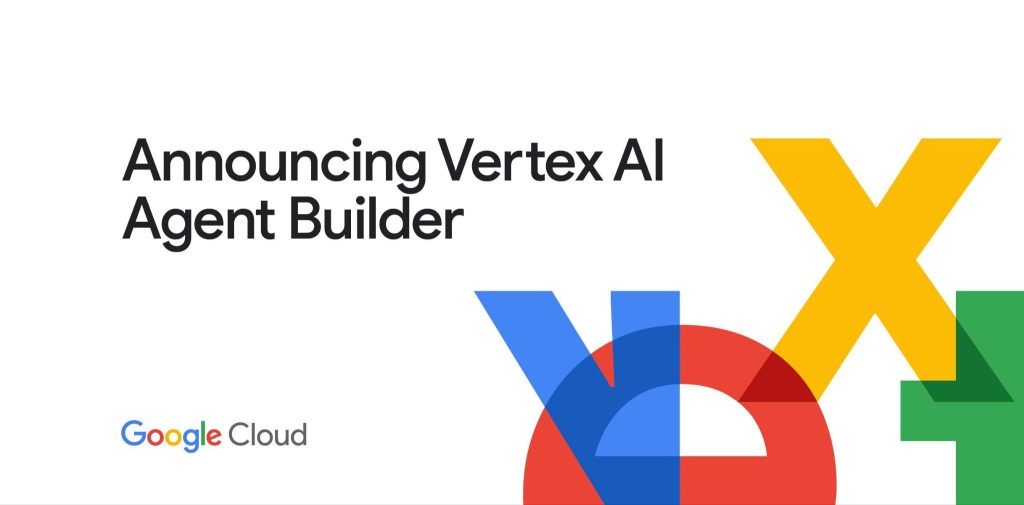
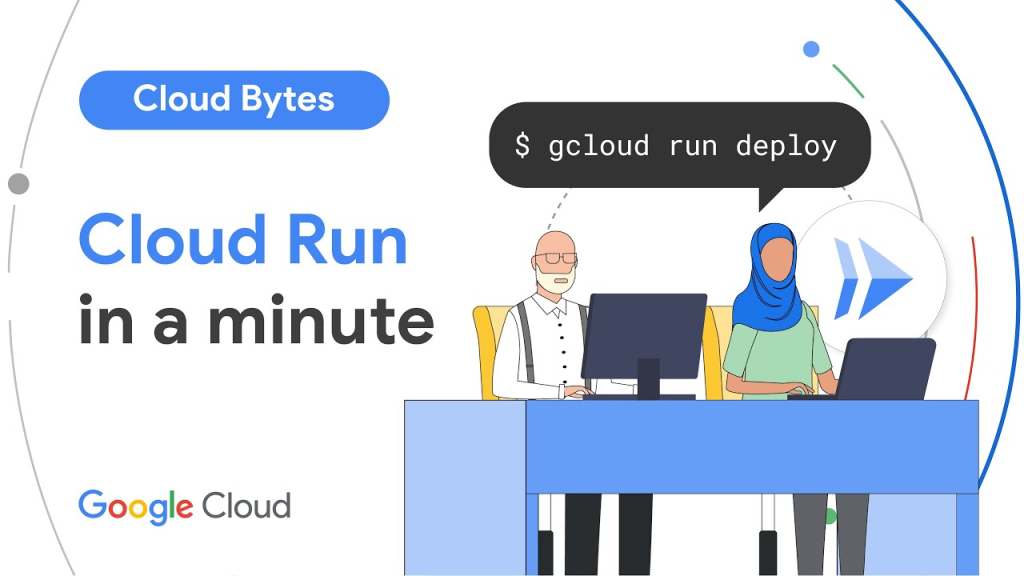
2. The Flexible Choice (Serverless): Cloud Run
- Best for: Teams using languages other than Python or custom frameworks who still want low-maintenance operations.
- The Advantage: Package your agent into a container. Cloud Run automatically scales up when busy and scales down to zero when not in use to save costs.
- Goal: Turn your Agent into a secure, web-ready (HTTPS) service using the Google Cloud ADK.
3. The “Pro” Control (Enterprise Orchestration): Google Kubernetes Engine (GKE)
- Best for: Large enterprises that need total control over their environment or need the Agent to work within a complex microservices setup.
- The Advantage: Uses the industry-standard Kubernetes to manage resources, security, and scaling with extreme precision.
- Goal: Deploy your Agent into a high-performance cluster using professional-grade management tools.
5. High-Performance Infrastructure: The TPU Advantage
Scaling AI can be expensive. Google’s AI Hypercomputer architecture offers cost-effective power:
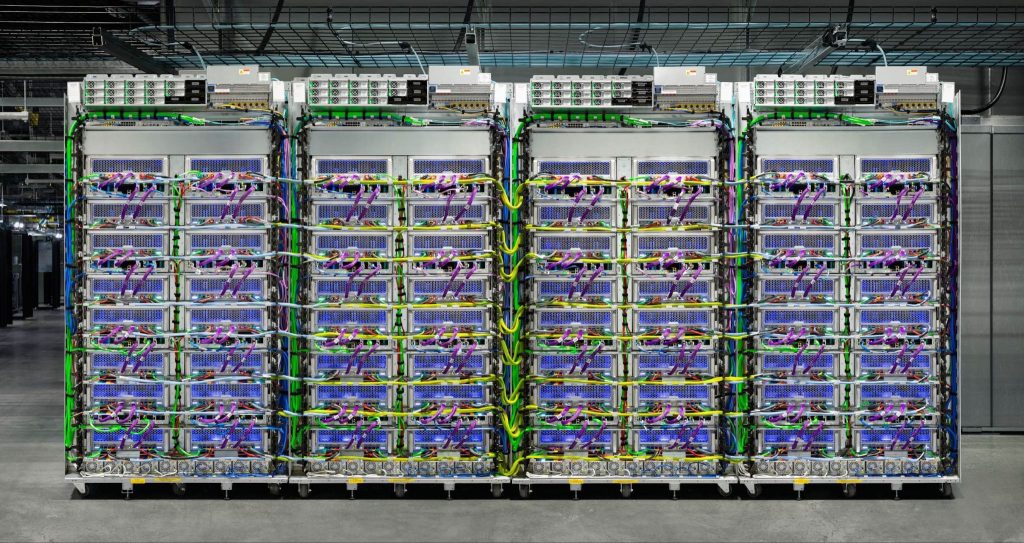
- TPU v5e & Trillium (v6e): These custom chips are optimized for AI, with the new Trillium offering a 67% energy efficiency boost over previous versions.
- Dynamic Scheduling: Use the Dynamic Workload Scheduler to access computing power at lower costs.
Why Partner with Master Concept?
As a Google Cloud Premier Partner, Master Concept helps you navigate the challenges of architecture, cost, and compliance. We provide:
- Custom Roadmaps: Helping you choose between the ease of Agent Engine or the control of GKE.
- Cost Optimization: Maximizing your ROI through smart use of TPUs and Spot instances.
- End-to-End Implementation: From technical training on ADK to ensuring your data stays private and compliant.
The era of AI Agents is here. Don’t let technical hurdles slow you down.